Physical Penetration Testing

Put your facility's defenses to the test with authorized physical penetration testing and social engineering simulations designed to expose real-world vulnerabilities before attackers do.

Why Real-World Testing Matters

Controlled adversarial testing reveals what policy reviews and checklists never can

Expose Gaps Before Attackers Do

Documented policies and security training only go so far. The only reliable way to know how your people and physical controls hold up under pressure is a physical penetration test: a controlled, authorized attempt to defeat your locks, badge systems, entry points, and verification procedures the same way a real intruder would.

Our physical pentesting engagements focus exclusively on the human and physical attack surface: the vectors responsible for the vast majority of actual breaches. Where the scope calls for it, that includes data-exfiltration simulation: testing whether files, media, or devices can actually be walked out of your building. Every engagement is scoped and authorized in advance, with strict ethical safeguards throughout. If you need a documented baseline of your controls before adversarial testing, start with a physical security audit; if you want a sustained, objective-based campaign against your full program, consider a physical red team engagement.

Penetration testing is also the "test" half of our two-phase methodology: we test, then we plan. The test proves exactly what an adversary could reach and take; our corporate counterintelligence program design is the "plan" half, turning those findings into the policies, access discipline, and procedures that close the gaps for good.

  • Reveal which employees, departments, and entry points are highest-risk
  • Validate whether existing security controls actually work in practice
  • Test incident detection and response under realistic conditions
  • Generate measurable data to track improvement over time
  • Satisfy compliance requirements that mandate adversarial testing
See Our Testing Capabilities
Physical penetration testing simulated intrusion exercise

Physical Intrusion Testing

Hands-on testing of the controls that stand between an intruder and your facility

Lock Bypass & Entry Testing

Onsite testing of physical locking mechanisms including lock picking, bypass techniques, and vulnerability assessment of door hardware, padlocks, and electronic locks across your facility's secured entry points.

Badge Cloning & RFID Testing

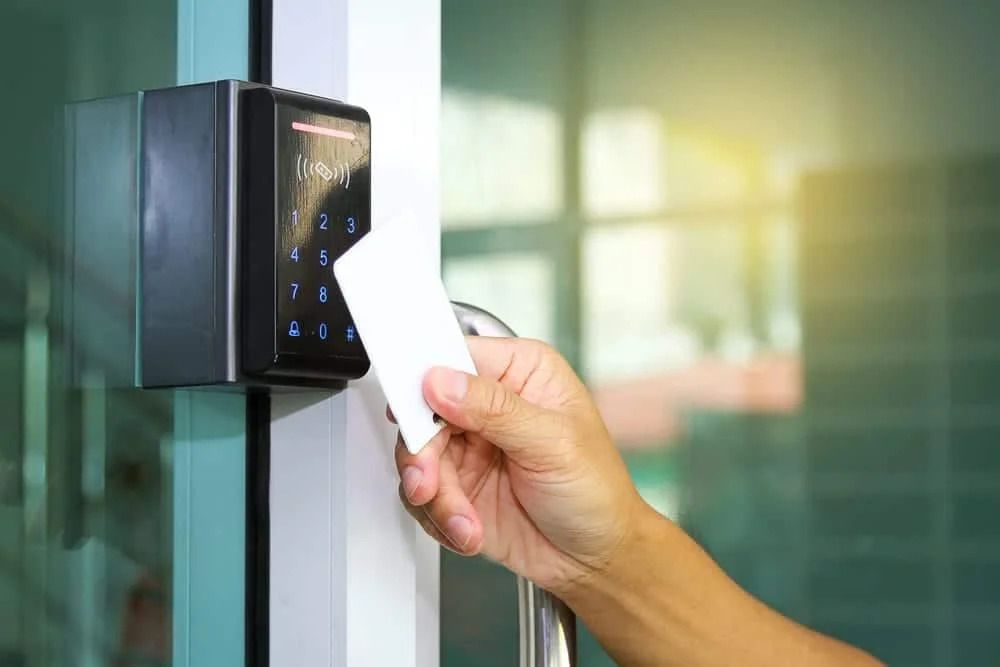
Evaluation of proximity card and RFID-based access systems for cloning vulnerability. We test whether your access cards can be silently duplicated and used to gain unauthorized entry to restricted areas.

Tailgating & Physical Intrusion

Assessment of tailgating and piggybacking through secured entrances, visitor management bypass, USB media drops, and dumpster diving, evaluating whether employees challenge or allow unauthorized individuals through controlled access points.

Social Engineering Testing

Human-focused attack simulations that support and extend physical intrusion testing

Pretexting & Impersonation

Operatives pose as IT support, vendors, auditors, or other trusted roles to test whether employees follow identity verification protocols and resist unauthorized information disclosure or access requests.

Email Phishing Campaigns

Targeted phishing scenarios including standard phishing, spear phishing, whaling, clone phishing, and business email compromise, crafted with realistic pretexts and organizational context from prior reconnaissance.

Vishing (Voice Phishing)

Phone-based social engineering tests that assess how employees handle calls requesting credentials, access codes, or sensitive information from apparent authority figures, IT staff, or external parties.

Smishing (SMS Phishing)

Text message attack simulations targeting mobile devices, including link-based lures, urgent pretexts, and credential harvesting pages, to evaluate mobile security awareness across your workforce.

OSINT Reconnaissance

Open-source intelligence gathering to map your organization's publicly accessible attack surface: the same data adversaries collect before launching targeted social engineering and physical intrusion campaigns.

Engagement Process

A structured methodology that delivers reliable results while protecting your operations

Social engineering operative posing as IT support during a penetration test

Methodical, Authorized, and Controlled

Every engagement follows a defined process with proper authorization, scope documentation, and ethical safeguards at each stage.

  1. Scoping & Authorization: Define objectives, boundaries, and rules of engagement with documented written approval from the appropriate authority
  2. OSINT Reconnaissance: Gather open-source intelligence on targets, organizational structure, and publicly exposed information that adversaries could exploit
  3. Scenario Design: Build realistic attack scenarios tailored to your industry, personnel, and current threat landscape based on reconnaissance findings
  4. Execution: Deploy authorized tests with real-time monitoring and strict operational controls to prevent unintended business impact
  5. Evidence Collection: Document all findings with screenshots, call recordings, and detailed notes that support the final deliverables
  6. Analysis & Reporting: Deliver a full report with susceptibility rates, risk ratings by vector and department, and prioritized remediation steps
  7. Debrief & Roadmap: Walk through findings with key stakeholders and provide a 30/60/90-day remediation roadmap with concrete action items

What You Receive

Actionable intelligence, not just a report

Full Engagement Deliverables

Every penetration testing engagement concludes with a complete package of findings, metrics, and remediation resources your team can act on immediately. Physical pen testing is especially valuable for healthcare facilities, law firms, and financial services organizations, where regulated data and controlled areas raise the stakes of a physical breach.

  • Executive Summary: A clear narrative of risk exposure suitable for leadership and board review
  • Technical Findings Report: Detailed documentation of every test scenario, observed behavior, and evidence collected
  • Susceptibility Metrics: Click rates, callback rates, and physical access success rates broken down by department and attack vector
  • Risk-Rated Vulnerability List: Each finding scored by likelihood and potential business impact to guide prioritization
  • Remediation Roadmap: Prioritized action items with 30/60/90-day implementation guidance for your security team
  • Debrief Session: A live walkthrough with your security leadership to ensure findings are fully understood and translated into action
Penetration test findings analysis and reporting

The Reality of Physical and Social Engineering Risk

Industry research on why adversarial testing is essential

34.3%

Average phishing susceptibility rate for organizations with no prior security training, per the KnowBe4 2024 Phishing Benchmark Report

68%

Of data breaches involve a human element, including social engineering and credential abuse, per the Verizon 2024 Data Breach Investigations Report

60 sec

Median time for the first employee to click a phishing link after a campaign launches, per the Verizon 2024 Data Breach Investigations Report

48%

Of organizations report employees having been approached or tailgated at a physical access point, per ASIS International research

Frequently Asked Questions

Common questions about physical penetration testing engagements

What is physical penetration testing?

Physical penetration testing is an authorized attempt to bypass a facility's physical security controls, such as locks, badge readers, doors, and reception procedures, to identify exploitable weaknesses. Testers use techniques like lock bypass, badge cloning, and tailgating under documented rules of engagement, then report every finding with remediation guidance.

How much does a penetration test cost?

Penetration testing cost depends on scope: the number of facilities, the attack vectors tested, and the length of the engagement. A focused single-site physical test is priced differently than a multi-site engagement that combines physical and social engineering vectors. Contact us for a quote scoped to your objectives.

What is the difference between a vulnerability assessment and a penetration test?

A vulnerability assessment identifies and documents weaknesses without exploiting them, while a penetration test actively attempts to exploit those weaknesses to prove real-world impact. An assessment tells you what could go wrong; a penetration test demonstrates what an attacker can actually accomplish against your controls and people.

What happens during a physical penetration test?

During a physical penetration test, authorized operatives attempt to gain entry to your facility using reconnaissance, tailgating, lock bypass, badge cloning, and pretexting, all within documented rules of engagement. Every attempt is recorded as evidence, and findings are delivered in a report with prioritized remediation steps.

How does penetration testing fit into corporate counterintelligence?

Penetration testing is phase one of our two-phase methodology: we test, then we plan. The test proves what an adversary, whether a hostile competitor, an insider, or an intruder, could actually reach and take from your facility, including files, media, and devices walked out the door. Phase two is corporate counterintelligence program design, where we build the access discipline, verification procedures, and employee awareness that close what the test exposed.

Planning to evaluate your own facility first? Start with our step by step physical security assessment guide, then walk your site with the printable 60-point physical security checklist.

Ready to Test Your Defenses?

Contact us to discuss scope and schedule a penetration testing engagement tailored to your organization's risk profile.

Schedule a Consultation