Insider Threat Programs & Physical Data Exfiltration Testing

The people most capable of hurting your company already have a badge. We test whether your data, files, and devices can walk out the door, then design the program that keeps them inside.

Why Insiders Are the Hardest Problem

Locks and firewalls do not stop someone you already let in

Trusted Access Is the Attack

Picture an employee at a hospital, a bank, or a design firm. They badge in every morning, they know where the records live, and nobody looks twice when they leave with a bag. If that person decides to take patient records, client files, or your product designs with them, whether to sell, to take to a competitor, or to hold over you, most security programs would never notice until the damage is public.

Insider risk is not a technology problem alone. Data loss prevention software cannot see a photographed screen, a printed file, or a pocketed drive. Managing it takes physical controls, procedures, and awareness designed around how people actually work, and it takes testing to know whether any of it holds.

  • Departing employees are the single most predictable window of data theft
  • Contractors and vendors carry insider access with less vetting and less loyalty
  • Physical exfiltration bypasses cybersecurity tooling entirely
  • Most companies have never once tested whether their controls stop it
See How We Test
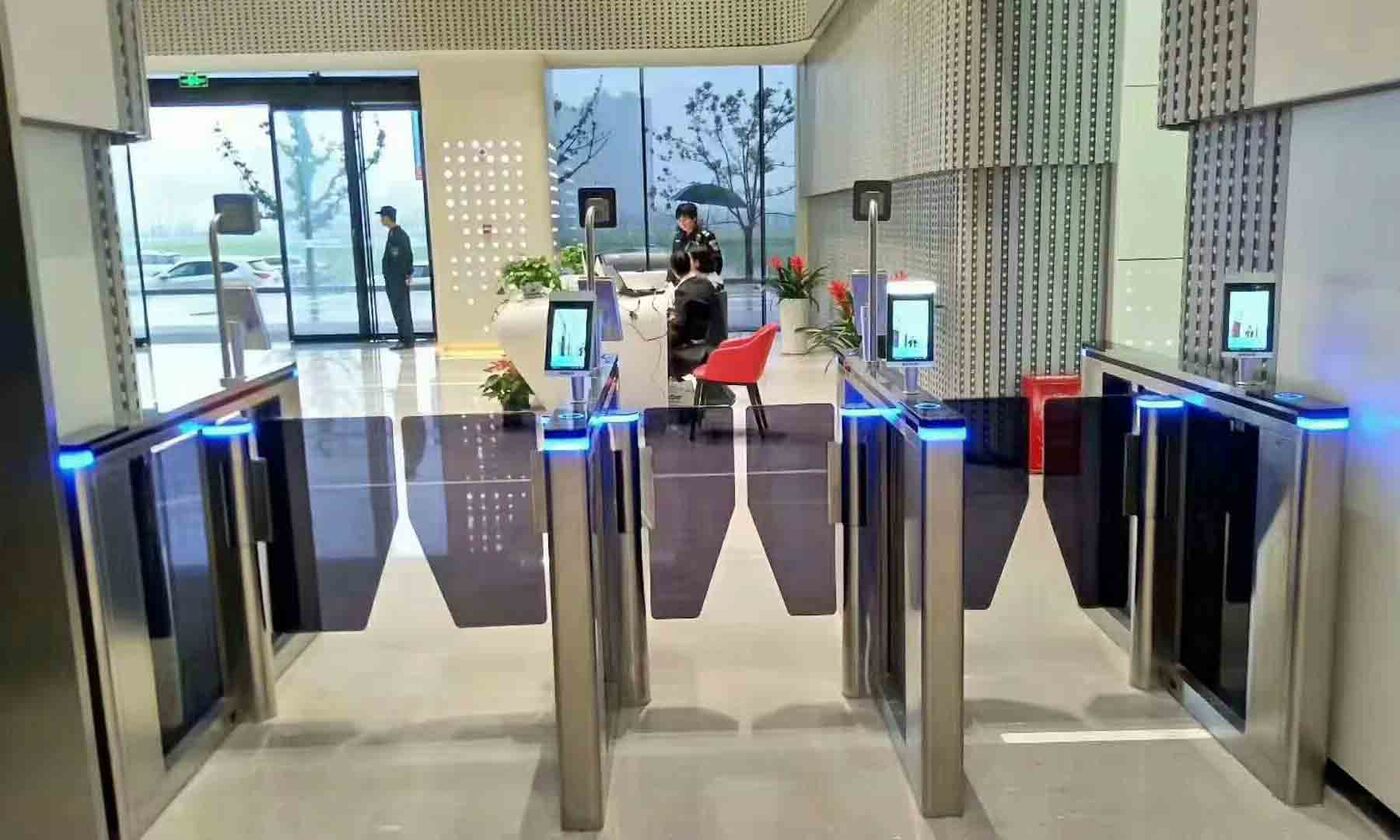
Access badge testing during an insider threat assessment

First, We Test

Authorized exfiltration simulations that show what an insider could really take

Data Exfiltration Simulation

With documented authorization from your leadership, our operatives test whether sensitive files, media, and devices can be removed from your facility undetected, by the front door, the loading dock, or the recycling bin.

Access Compartment Testing

Does a badge that opens the lobby also open the records room? We test whether your access zones actually compartment sensitive areas, or whether one credential quietly opens everything.

Behavioral Response Testing

We evaluate whether staff notice and challenge unusual behavior: the person copying files after hours, propping a secure door, or carrying equipment out unbadged, and whether anyone knows where to report it.

Then, We Plan

An insider threat program built around what the testing proved

Insider threat program implementation planning

Prevention You Can Actually Run

Findings become a program: practical, procedural, and sized for a company without a dedicated security department. As part of our broader corporate counterintelligence practice, we design:

  1. Access lifecycle: How access to areas and information is requested, approved, reviewed, and revoked, so nobody keeps keys to rooms they no longer need
  2. Sensitive-area compartmentation: Which spaces hold your crown jewels and who genuinely needs to be in them
  3. Offboarding procedures: A departure checklist that closes the highest-risk window: credentials, devices, files, and physical access, on a defined timeline
  4. Media and device handling: Practical rules for drives, printouts, photography, and personal devices in sensitive areas
  5. Escalation paths: Clear, documented routes for employees to raise concerns early, so problems surface as reports instead of headlines
  6. Awareness training: Teaching managers and staff what insider risk looks like through our security awareness training

Every program ships with a prioritized 30/60/90-day roadmap, and we return to validate that the controls hold under retest.

Who Needs This Most

Industries where trusted access meets valuable assets

Healthcare

Patient records are among the most resold data on earth, and thousands of badged staff handle them daily. See our healthcare security practice.

Financial Services

Client lists, account data, and deal information leave with departing advisors more often than firms admit. See financial services security.

Data Centers

Everything your customers store sits behind your badge readers. One insider with rack access is a breach of every tenant at once. See data center security.

Technology

Source code, roadmaps, and prototypes are portable and priced by your competitors. See technology company security.

Manufacturing

Drawings, tooling, and process knowledge walk out through contractors and tours as easily as through employees. See manufacturing security.

Biotech & Pharmaceutical

Research data and samples attract competitors and hostile actors alike. See biotech and pharmaceutical security.

Frequently Asked Questions

Common questions about insider threat programs

What is an insider threat program?

An insider threat program is a structured set of policies, access controls, and procedures that reduce the risk of employees, contractors, and vendors misusing their legitimate access to steal data, intellectual property, or physical assets. A practical program covers how access is granted and revoked, how sensitive areas and information are compartmented, how departures are handled, and how concerning behavior gets reported and escalated.

What is physical data exfiltration?

Physical data exfiltration is data theft that happens through the physical world rather than the network: printed records in a bag, files copied to a personal drive, photographs of screens and documents, or an entire device carried out the door. Data stolen this way can be sold or held hostage just like data taken by hackers, but it bypasses most cybersecurity tooling entirely, which is why it has to be tested and controlled physically.

How do you test insider threat risk?

Through authorized exfiltration simulations conducted under documented rules of engagement. With your leadership's written approval, our operatives test whether someone with insider-level access could remove sensitive files, media, or devices from your facility undetected, whether badge and visitor controls actually compartment sensitive areas, and whether staff challenge unusual behavior. Every attempt is documented as evidence for the findings report.

Do you investigate employees?

No. Red Cell Solutions is a security consulting firm, not a private investigative agency. We do not investigate, surveil, or build cases against individuals. Our work is preventive: we test your controls through authorized simulations and design the program, covering access lifecycle, offboarding procedures, and escalation paths, that makes insider theft difficult, detectable, and rare.

Which organizations need an insider threat program?

Any organization where trusted people handle valuable information or assets: hospitals and healthcare systems with patient records, financial firms with client data, data centers with everything their customers store, technology companies and manufacturers with intellectual property and prototypes, and law firms with confidential matters. If an employee's last day could become your worst day, you need a program before you need it.

Could Your Data Walk Out the Door Today?

Schedule an insider threat engagement and find out before someone else does: we test, then we plan.

Schedule a Consultation