Protecting active job sites from equipment theft, material loss, vandalism, and trespass liability with practical security planning built for the way construction actually works.
Explore SolutionsUnderstanding the threats that follow every active job site
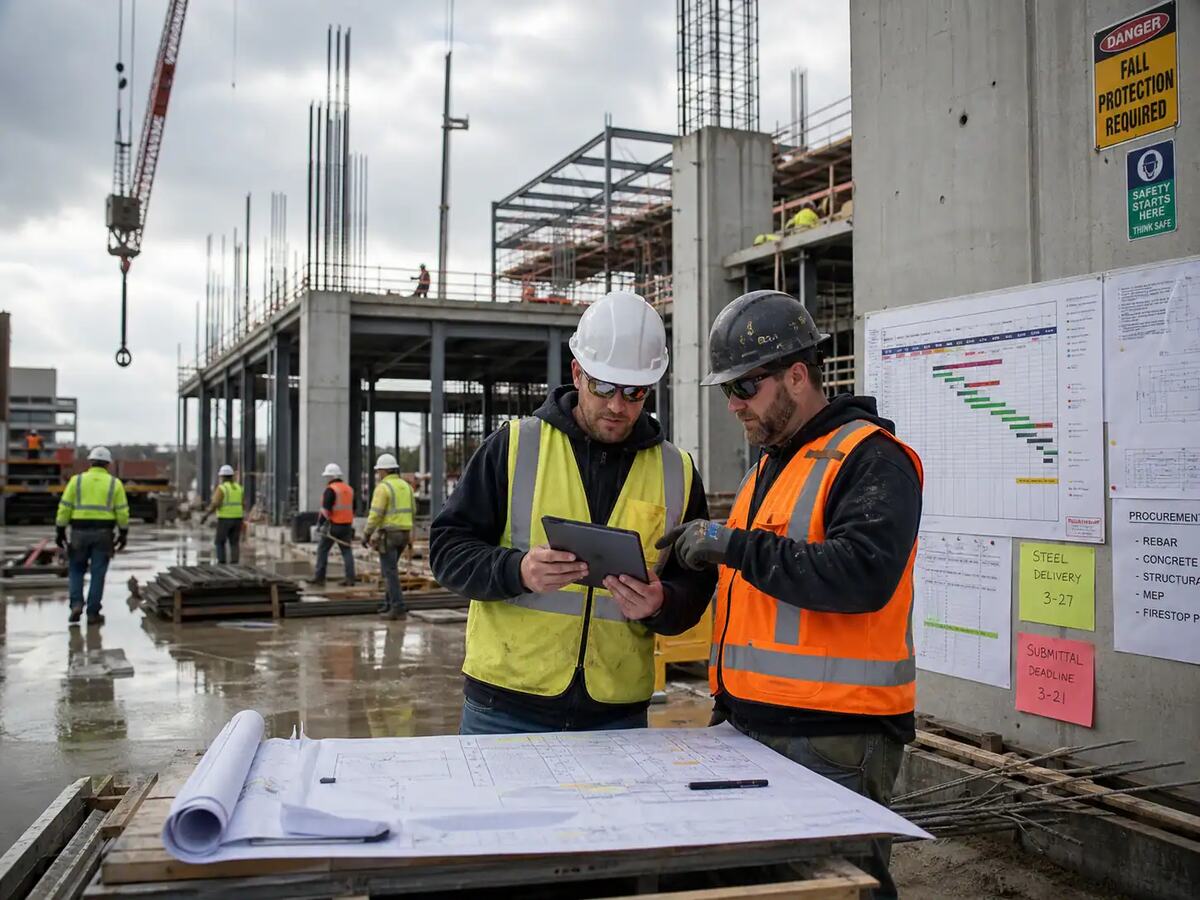
Construction sites are targeted because they concentrate valuable equipment, tools, fuel, copper, and building materials in a location protected by temporary fencing and a workforce that changes week to week. Heavy equipment and power tools are easy to resell, materials are hard to trace once they leave the site, and most sites sit empty on nights, weekends, and holidays.
Theft is only part of the exposure. Vandalism can stall a schedule, and trespassers who get hurt on an unsecured site can create serious liability for the general contractor and the owner. Red Cell Solutions helps builders and developers get ahead of these risks through physical security consulting and on-the-ground site security assessments.
A structured approach that scales from a single lot to a multi-phase development
You secure a construction site by working from the outside in: establish a continuous perimeter, reduce entry points to the minimum the schedule allows, control who and what passes through those entry points, and make the site hostile to anyone who shows up after hours. Each step below builds on the one before it.
The order matters. Cameras without a perimeter record thefts instead of preventing them, and access control without a current roster is a formality. A construction site security assessment tells you which layer is failing before losses tell you for you.
The failure points we see most often on active job sites
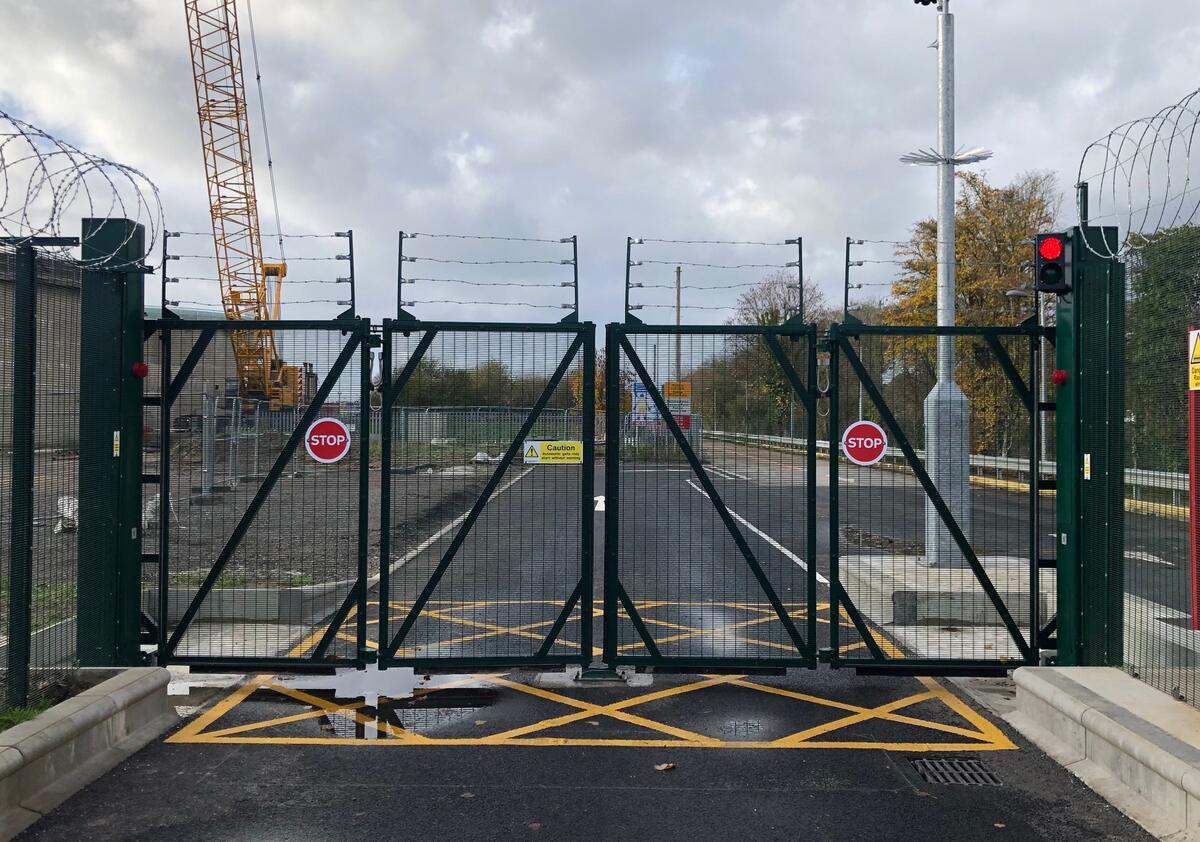
Temporary fencing shifts, panels get moved for equipment access and never reset, and gates get propped open for convenience during busy pours and deliveries. A mostly complete perimeter is not a perimeter, because intruders only need the one gap you missed.
We walk and document the full perimeter, identify gaps, weak panels, and climbable points, and define gate procedures that survive real jobsite pressure, including who opens gates, when, and how they get re-secured.
Crews change constantly, subcontractors bring their own people, and a stranger in a hard hat and safety vest rarely gets challenged. Fake deliveries and impostor tradespeople are reliable ways onto a site because everyone assumes someone else approved them.
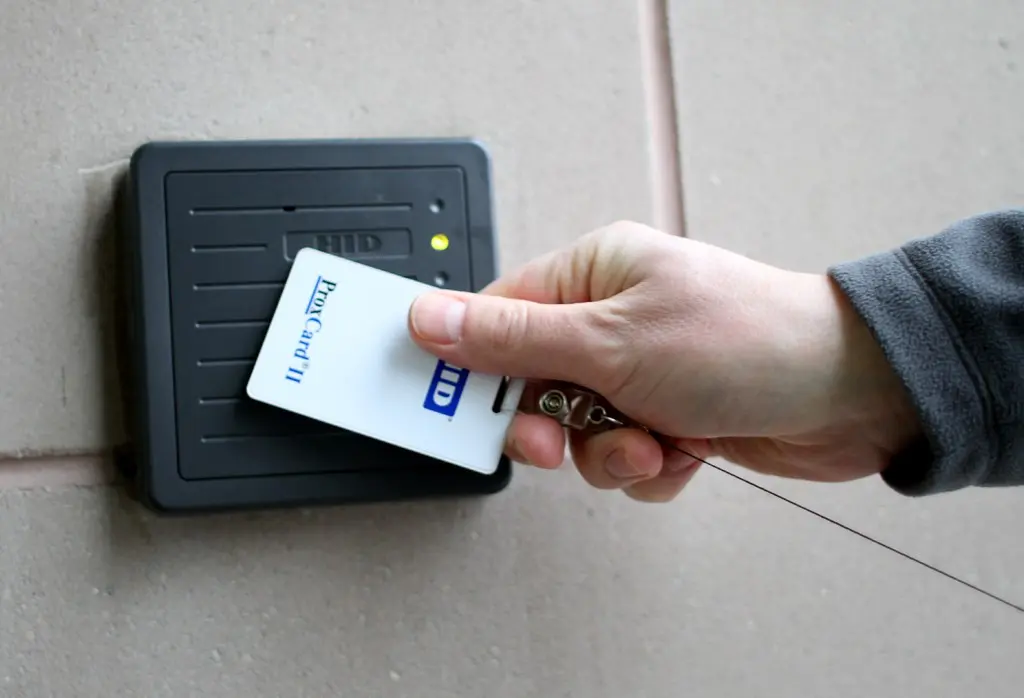
We design worker and subcontractor access procedures that fit your project scale, from sign-in rosters and badge checks to delivery verification against expected schedules, so that presence on site always traces back to an authorization.
Cameras often get mounted where power is convenient rather than where thieves operate. Laydown yards, fuel tanks, and container rows sit in darkness while the site office is well covered. Unlit and unwatched zones are exactly where equipment and materials walk away.
We map camera and lighting placement to the assets that matter, gates, staging areas, fuel storage, and container rows, and recommend monitoring or alerting arrangements so that footage supports a response instead of just an insurance claim.
Most construction theft and vandalism happens when nobody is on site. Nights, weekends, and holiday shutdowns leave equipment and materials unattended for long stretches, and by Monday morning the loss is hours or days old with no witnesses.
We build an after-hours protection plan proportionate to the value at risk, combining end-of-shift lockdown routines, monitored cameras or patrols where justified, and a defined response chain so alerts reach someone who can act.
Tools without recorded serial numbers, keys left in machines, materials delivered days before they are needed, and no check-in or check-out discipline make theft easy and recovery nearly impossible. Losses often go unnoticed until a crew needs the missing item.
We help you implement equipment and materials controls: serialized inventories, marked company property, key control, immobilization routines for heavy equipment, and just-in-time staging practices that shrink the window where assets sit exposed.
Consulting and assessment services built for active job sites
A construction site security plan includes perimeter and gate control, access procedures for workers and subcontractors, camera and lighting layout, equipment and materials storage rules, delivery verification, after-hours coverage, incident reporting, and a review schedule tied to project phases. It should be short enough to brief at a toolbox talk and specific enough that a new superintendent can enforce it on day one.
Red Cell Solutions develops these plans through physical security consulting engagements and validates existing sites through independent security assessments. Every recommendation is written for the realities of a working site, not for a brochure.
Common questions about construction site security
A construction site security plan should include perimeter fencing and gate control, access procedures for workers and subcontractors, camera and lighting coverage, equipment and materials storage rules, delivery verification procedures, after-hours protection, incident reporting, and a review schedule that keeps the plan current as the site changes through each construction phase.
Construction sites are targeted because they concentrate valuable equipment, tools, fuel, and materials in locations with temporary fencing, rotating crews, and limited after-hours presence. Sites are often unoccupied on nights and weekends, access lists change constantly as subcontractors rotate, and stolen tools and materials are easy to resell.
Prevent tool and equipment theft by recording serial numbers, marking company property, storing tools in locked containers anchored to the site, staging equipment inside camera coverage and lighting, controlling keys, checking tools in and out, and limiting who can authorize equipment movement. Consistent enforcement matters more than any single device.
Most active construction sites benefit from cameras, but cameras alone rarely stop a determined thief. Cameras work best when placed to cover gates, laydown yards, and equipment staging areas, paired with adequate lighting, and connected to monitoring or alerting so that someone can actually respond. Camera positions should be reviewed as the site layout changes.
A construction site security assessment is a structured evaluation of a job site's physical protections, including perimeter condition, gate and access procedures, camera and lighting coverage, storage practices, and after-hours vulnerability. Red Cell Solutions documents the gaps, prioritizes fixes, and delivers a corrective plan the site team can execute.
Get a security plan and assessment built for the way your project actually runs, from mobilization through closeout.
Schedule Consultation