Protecting schools, colleges, and universities from social engineering and unauthorized access threats while preserving their collaborative academic culture.
Explore SolutionsWhy campuses are easier to social-engineer than most workplaces
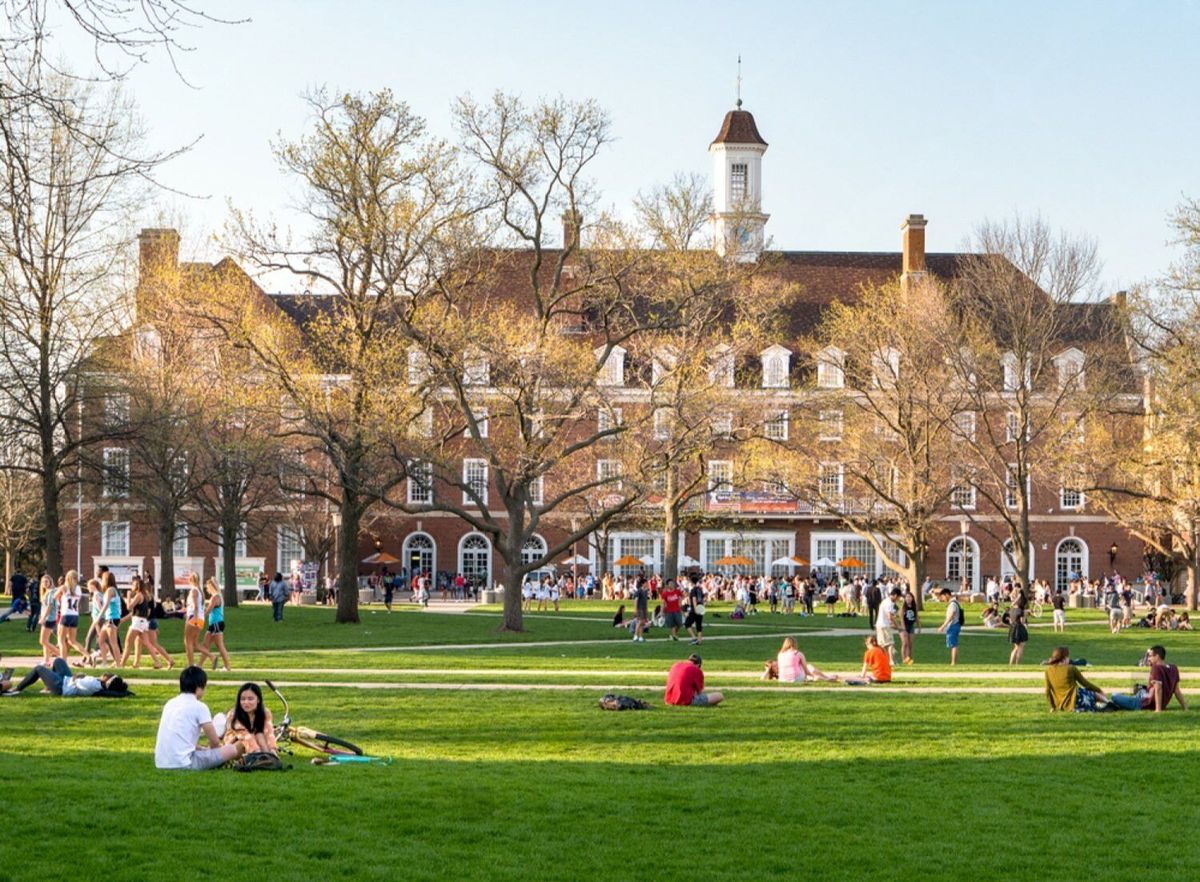
Educational institutions run on openness and knowledge sharing, and that same culture makes them easy to social-engineer. Many campuses also operate their own healthcare clinics, student housing, and financial aid offices alongside limited security budgets, which gives attackers more ways in than a typical office has.
Red Cell Solutions combines campus security audits with authorized physical access testing so you know exactly where an intruder could get in.
Universities and research institutions also hold assets that competitors and bad actors actively target: unpublished research, grant-funded lab equipment, prototypes, and data sets that can be worth years of a rival's R&D budget. Campuses built for openness make it easy for the wrong person to reach the right lab. Our corporate counterintelligence work helps institutions protect research and intellectual property with the same rigor they apply to campus safety.
Education was the most targeted sector globally in 2024, averaging 3,086 weekly attacks per organization, per Check Point Research 2024
Average breach cost for educational institutions, per the IBM Cost of a Data Breach Report 2024
Increase in K-12 ransomware attacks from 2022 to 2023, per ThreatDown State of Ransomware in Education 2024
The social engineering attack vectors specifically targeting educational organizations
Attackers time their campaigns to coincide with peak academic periods like registration, financial aid deadlines, and semester starts when staff are overwhelmed and more likely to bypass security protocols in favor of quick response.
We run tests during those same peak periods, then help you build procedures that hold up when staff are stretched thin.
Attackers create elaborate scenarios centered on research collaboration or grant opportunities to target faculty members, exploiting their interest in academic partnerships and funding to bypass standard security measures.
We pose as researchers or grant contacts to see whether faculty verify before engaging, then help you build verification steps that don't get in the way of real collaboration.
Social engineers impersonate students or parents requesting urgent enrollment, grade, or financial aid changes, manipulating staff's service orientation and willingness to help students in apparent distress.
We send our own simulated student or parent requests to see how staff handle urgent, emotionally charged asks, then help you build verification steps that hold up under that pressure.
Services shaped around how campuses actually operate
Every engagement here is authorized in writing and scoped with your administration, built around how academic culture actually creates these openings, so testing never disrupts instruction or alarms students and parents.
Research programs deserve particular attention. Visiting researchers and rotating lab staff receive broad access on short timelines, and that access often outlives the visit. We test whether someone can reach your labs and data without authorization, then help you design access and offboarding procedures that protect the work without slowing the science, drawing on our insider threat program experience.
After testing, we help you close what we found. That can include updated visitor management procedures, entry point recommendations, and security awareness training that teaches faculty and front office staff how to challenge unfamiliar adults without abandoning the welcoming culture your community expects.
Common questions about school security assessments and campus access control
A school security assessment is a systematic evaluation of a campus's physical security, including entry point control, visitor management, staff protocol adherence, and response procedures. Red Cell Solutions conducts authorized testing that identifies how an unauthorized adult could gain access to students, staff, or sensitive records.
There is no federal mandate requiring security window films in schools. Requirements vary by state, district, and local building codes, and some districts adopt films voluntarily to harden entry points. A campus security assessment can determine whether window films or other entry hardening measures fit your facilities.
Retention periods vary by district policy and state law. Most schools keep footage for a limited period before it is overwritten, and retention is often extended when footage relates to an incident or investigation. Review your district's policy, and verify your cameras actually cover the areas that matter.
Schools can prevent unauthorized access by limiting entry to monitored points, enforcing visitor check-in and badging, training staff to challenge unfamiliar adults, and testing those controls regularly. Physical access testing reveals whether doors, procedures, and people actually stop an intruder rather than just looking secure on paper.
Want a baseline before you bring anyone in? Our physical security assessment guide explains the process step by step, and the printable physical security checklist covers all 60 items to inspect.
Protect your institution's mission without compromising your collaborative culture. Let us help you build security awareness that preserves academic openness.
Schedule Consultation