Research IP, regulated materials, and public controversy make biotech and pharmaceutical companies targets for competitors, insiders, and activist disruption. We test the gaps, then design the program that closes them.
Explore SolutionsUnderstanding why life sciences companies attract adversaries other industries never see
A single research program can represent years of work and millions of dollars in investment, and most of it exists in physical form: lab notebooks, samples, compounds, cell lines, printed protocols, whiteboards, and the workstations where clinical data is handled. An adversary does not need to breach your network to hurt you. They need to get a person through a door.
At Red Cell Solutions, we work with biotech and pharmaceutical companies to answer one question honestly: could someone who is not supposed to be in your building reach your research? Our authorized physical penetration testing and security audits are built around the realities of research environments, and everything we test is scoped so experiments, materials, and safety are never at risk.
Of research and development can walk out the door in a single bag: one drive, one notebook, one sample container is all an adversary needs to carry
Threat picture: competitor espionage, insider theft, and protest disruption each require different defenses, and most facilities have only planned for one
Clinical trial records, controlled substances, and select materials carry legal protection duties that documented physical testing helps you demonstrate you are meeting
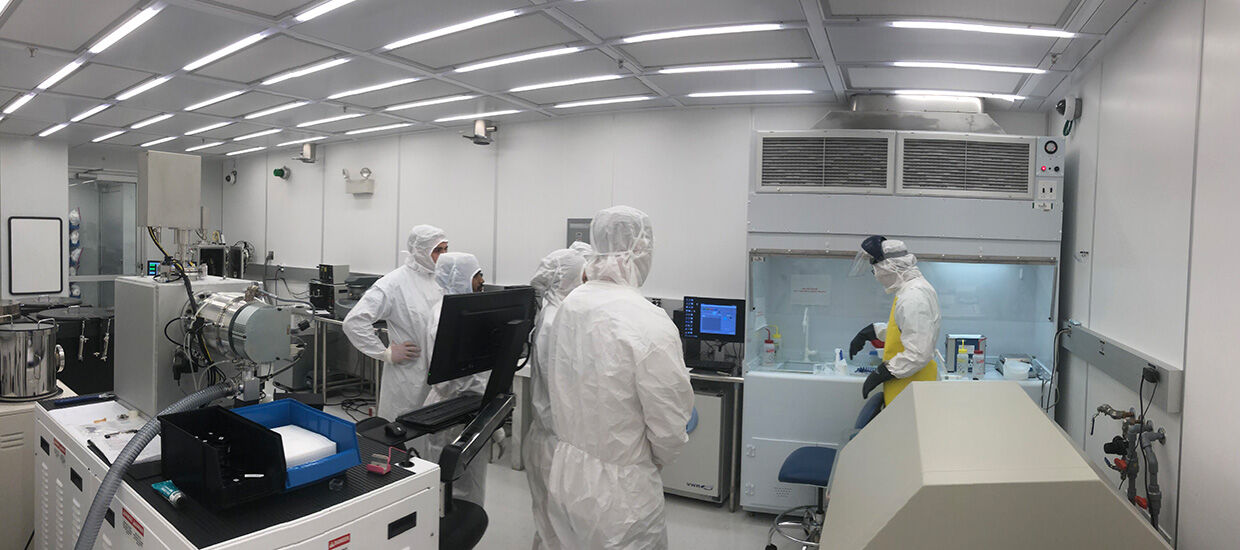
The physical and human attack vectors we find most often in life sciences facilities
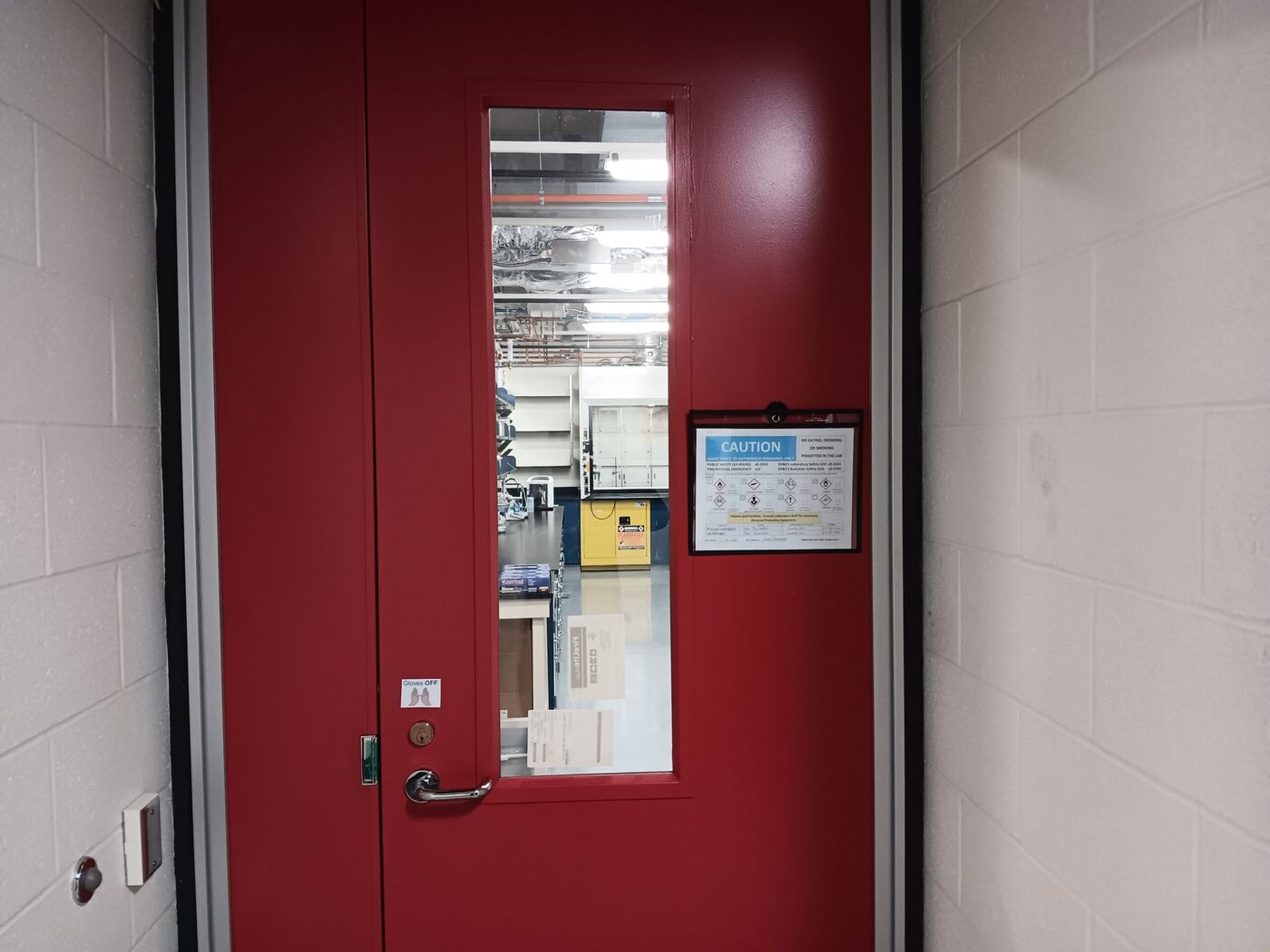
Badge readers on lab doors create a feeling of security that daily behavior quietly undoes. Doors propped for convenience during equipment moves, tailgating behind colleagues carrying samples, shared badges between shifts, and card readers that fail open are the difference between a controlled laboratory and an open one.
Authorized testing of laboratory access controls under documented rules of engagement: tailgating resistance, badge and escort discipline, propped-door behavior, and after-hours entry, with findings mapped to each controlled area and a prioritized fix list.
Research runs on collaboration: visiting scientists, equipment technicians, calibration vendors, and cleaning crews move through labs every week. Each is a role an adversary can borrow. A convincing badge, a service uniform, and a plausible work order will carry a stranger deep into most facilities without a single question asked.
Pretext-based testing of your visitor and vendor procedures: we attempt entry as the roles your staff see every day, then design verification and escort procedures that stop impostors without slowing legitimate science.
Most facilities control who gets in far better than what goes out. Drives, printed protocols, lab notebooks, and sample containers leave in bags and coat pockets, and clinical data handled on paper or portable media rarely gets the same protection as data on the network. Physical exfiltration is how research actually walks away.
Exfiltration simulation as part of red team operations: can our operative leave your facility with a simulated sample, file, or drive? We document every step, then design egress controls and clinical data physical protection procedures that make removal detectable.
Loading docks receive reagents, equipment, and gas deliveries all day and are frequently the least controlled entrance in the building. After hours, skeleton crews, keyholder complacency, and alarm zones that no one responds to give an intruder time that daytime security never would.
Perimeter and delivery-path testing that covers dock procedures, driver verification, package and delivery handling, and after-hours entry attempts, followed by practical procedures your receiving and facilities teams can actually run.
Companies whose work draws public controversy face organized demonstrations, attempts to access facilities, disruption of shareholder meetings and conferences, and incidents aimed at generating damaging footage. Most sites have no plan beyond calling the police, which means decisions get improvised in the worst possible moment.
Activist-threat protective planning, strictly as program design: we assess how a disruption could reach your people, entrances, and events, then build the access control measures, lockdown and communication procedures, and coordination protocols with local authorities that keep people safe and operations running. Protective planning only, never confrontation and never any position on any cause.
Scientists, technicians, and contractors hold legitimate access to the most valuable material in the company. A departing researcher taking a copy of their work, a contractor photographing a process line, or a planted hire feeding a competitor is a quiet loss you may not discover until a rival announces your discovery.
An insider threat program designed for research environments: access reviews tied to project need, departure procedures for research staff, sensitive-area controls, and reporting channels, built to protect the work without treating your scientists like suspects.
We test, then we plan: services scoped for research and manufacturing environments
Every engagement starts with assessment: what would an adversary target in your facility, and what stands in their way today? Then we prove it, through authorized physical penetration testing of labs, storage, and data areas, or full-scope red teaming that combines physical entry with social engineering the way a real adversary would. Testing is authorized in writing and scoped so research materials, experiments, and safety are never at risk.
Then we plan. Using what the testing proved, we design a corporate counterintelligence program around your specific exposure: who can reach what, how visitors and vendors are verified, how samples and data are controlled at the door, and how your people respond when something is wrong. Because we sell no hardware, no guards, and no monitoring, every recommendation is driven by your risk rather than our product line.
Common questions about biotech and pharmaceutical security consulting
Because what is inside a biotech or pharmaceutical facility is worth more than the facility itself. Research data represents years of work and millions in investment, samples and compounds can be irreplaceable, and clinical trial records are regulated information a company cannot afford to lose. Competitors and the intermediaries they hire collect intelligence on pipelines and processes, insiders can carry data or materials out in a bag, and public controversy around animal research, pricing, and specific products draws organized protest attention to facilities and events. That combination of high-value targets and motivated adversaries is what makes the industry a target.
Through protective planning, never confrontation. We assess how a disruption attempt could reach your people, entrances, parking areas, loading docks, and events, then design the program around what we find: access control and lockdown procedures, communication and decision protocols for site leadership, coordination procedures with local authorities, and employee guidance that keeps everyone safe and operations running. We take no position on any cause and we do not monitor, surveil, or engage with any group. Our work is limited to making sure a demonstration outside your facility never becomes an incident inside it.
Yes. Under written authorization and documented rules of engagement, our operatives attempt to reach your laboratories, sample storage, and data areas the way a real adversary would: tailgating through controlled doors, exploiting visitor and vendor procedures, testing badge and escort discipline, and simulating the removal of a file, drive, or sample container. Testing is scoped so that research materials, ongoing experiments, and safety are never put at risk, and every step is documented in a findings report with a prioritized remediation plan.
No. Red Cell Solutions is a security consulting firm, not a private investigative agency. We do not conduct investigations, surveillance of individuals, or evidence-gathering for legal proceedings. What we do is test your defenses through authorized penetration testing and red teaming, assess your exposure, and design the counterintelligence, insider threat, and protective planning programs that prevent losses before they happen.
Cybersecurity protects your networks, but research data also exists on lab notebooks, printed protocols, whiteboards, workstations left unlocked, portable drives, and in the samples themselves. We test whether an unauthorized person could see, photograph, copy, or carry that material out of your facility, then design the physical safeguards, access discipline, egress procedures, and awareness training that close the gap between your information security policy and what actually happens on the lab floor.
Talk to us about an engagement scoped to your facilities: we test how an adversary would reach your labs, data, and people, then design the program that stops them.
Schedule Consultation