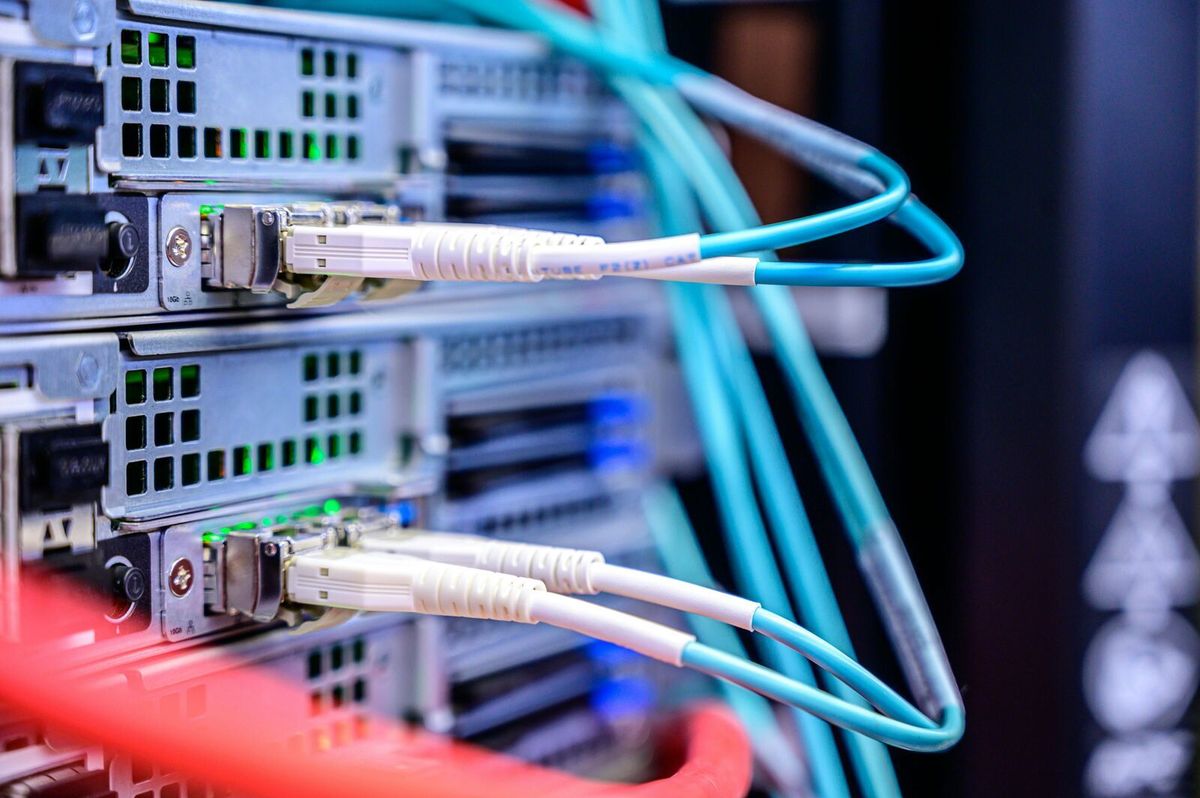
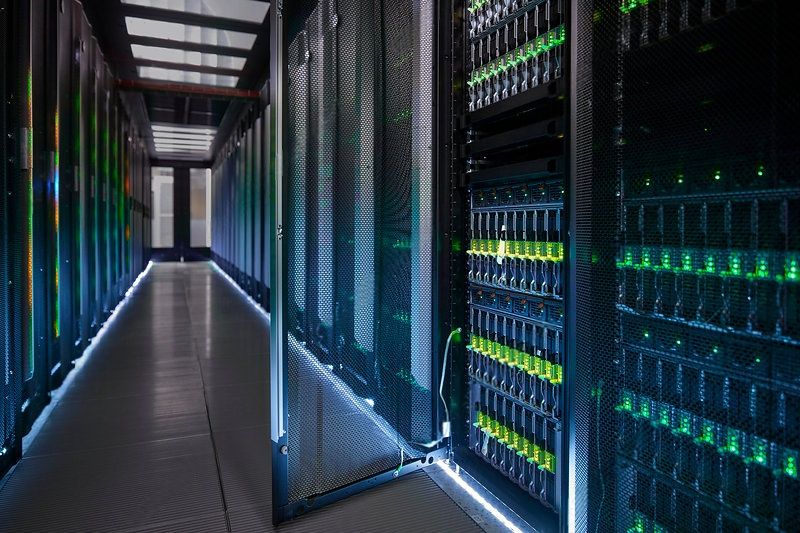
Layered physical protection for colocation facilities, enterprise data centers, and server rooms, designed, assessed, and tested against a live adversary.
Explore SolutionsA layered model from the site perimeter to the individual rack
Data center physical security includes every control that stands between an outsider and your equipment, organized as concentric layers: the site perimeter, building entry, interior corridors, data hall doors, cages and suites, and finally the rack itself. Firewalls and encryption mean little if someone can walk out with a drive, plant a device inside a rack, or reach a console in an unattended data hall.
Red Cell Solutions helps operators design and validate each layer through physical security consulting, then proves whether the layers hold through authorized adversarial testing.
The frameworks auditors use to evaluate your physical controls
There is no single mandatory data center physical security standard, but several widely used frameworks define what auditors and customers expect. What they share is a simple demand: documented physical access controls, and evidence that those controls operate as described.
A gap between what your policies say and what happens at the door is exactly what an auditor, or an intruder, will find. An independent physical security audit before the formal assessment lets you close those gaps on your own schedule, with documentation you can hand to your assessor.
The gaps we look for between documented policy and daily practice
Badge lists grow stale as staff and contractors change roles, terminated credentials linger, doors get propped during equipment moves, and tailgating becomes routine among people who recognize each other. The access control system still logs cleanly while the real access picture drifts.
We review access provisioning, revocation, and recertification practices against actual door behavior, and test tailgating resistance at each layer, so access rights reflect current roles rather than accumulated history.
Maintenance contractors, delivery drivers, cleaning crews, and telecom technicians enter data centers every day, and a confident impostor with a work order and a tool bag is one of the oldest ways into a facility. Escort requirements often relax when staff are busy.
We design visitor and vendor procedures that verify identity and purpose before entry, tie vendor access to pre-authorized work, enforce escorts in sensitive areas, and expire credentials when the visit ends, then test whether staff actually follow them.
Cameras with blind spots at critical doors, alarms that generate so many false positives that operators tune them out, and footage that is only reviewed after an incident all turn monitoring into an archive instead of a defense.
We assess camera coverage, intrusion detection placement, alarm response procedures, and operator workload, and we verify during authorized testing whether an actual intrusion attempt gets noticed and answered in time to matter.
Many facilities pass audits year after year without anyone ever attempting to defeat their controls. Badge cloning, lock and latch bypasses, social engineering of reception and remote hands staff, and after-hours approaches go untested until a real intruder tries them first.
Our authorized physical penetration testing attempts entry the way a real intruder would, and full red team engagements combine physical intrusion with social engineering across a defined scope, all under written authorization and rules of engagement.
Consulting, assessment, and adversarial validation in one engagement model
We secure data centers by working both sides of the problem: consulting engagements design and document the layered controls your facility needs, and adversarial testing proves whether those controls stop a determined intruder. Findings from testing feed directly back into the control design, so improvements target demonstrated weaknesses rather than guesses.
Common questions about data center physical security
Data center physical security is the set of layered controls that protect servers, network equipment, and data from unauthorized physical access, from the site perimeter through building entry, data hall doors, cages, and individual racks. It combines barriers, access control, surveillance, intrusion detection, visitor management, and trained staff, and it is only as strong as its weakest layer.
There is no single mandatory standard, but several frameworks define physical security expectations for data centers. SOC 2 examinations evaluate physical access controls, ISO 27001 includes physical and environmental security controls, PCI DSS requires physical access restrictions for environments handling cardholder data, and NIST publications provide physical protection guidance. Auditors expect documented controls and evidence that they work.
Data center physical security is tested through authorized assessments and adversarial exercises. An assessment reviews each layer against policy and standard expectations, while physical penetration testing and red team engagements attempt to defeat those layers the way a real intruder would, through tailgating, social engineering, badge cloning, and bypass techniques, all under a written scope and rules of engagement.
A data center security consultant evaluates a facility's physical controls, identifies gaps between documented policy and actual practice, designs layered access control and monitoring improvements, and prepares the organization for audits such as SOC 2, ISO 27001, and PCI DSS. Red Cell Solutions combines consulting with authorized adversarial testing so that findings reflect real conditions rather than paperwork.
Data centers should verify every visitor's identity and purpose before entry, issue distinct temporary credentials, escort visitors in sensitive areas, log entry and exit, and expire access immediately when a visit ends. Vendors need the same discipline plus pre-authorization tied to a ticket or work order, because maintenance contractors and delivery personnel are common cover identities for intruders.
Find out whether your layers hold before an auditor or an intruder finds out for you.
Schedule Consultation